Story to comic converter.
Paste a chapter or upload a script and get a plan you can read before anything is drawn: scenes, page breaks, panels, dialogue. Approve it, edit it, then draw it.
Try it here
Story planning and image generation use credits. Review the cost before starting.Conversion specs
- Accepts
- TXT · Markdown · DOCX · text PDF · Fountain · pasted text
- Length
- Up to 20,000 words per pass · longer stories split by chapter
- Fidelity
- Preserve closely · adapt freely · summarise
- Produces
- Synopsis · beats · scenes · page segmentation · panel specs
- Editable
- Every level — split, merge, reorder, regenerate one scene alone
- Cost
- Full planning is free on Free, 4 cr on paid plans · standard drawing is 15 cr per panel
What the parser reads
Upload a file and you get a parse preview before anything is planned. Everything it found is editable, and anything it guessed carries a confidence chip.
- Title
- The Lantern Courier
- Scenes
- 3
- HIGH
- Characters
- Mira · Held · Pip
- HIGH
- Dialogue lines
- 24
- Locations
- Customs House
- CHECK
- .txt · .md · .fountain
- Text and screenplay files
- .docx · text .pdf
- Secure text extraction
- .fdx
- Final Draft screenplays
- Scanned .pdf · OCR
- SOON
What you get
Approve a character sheet once. Relevant panel jobs receive it as labeled evidence, and every output remains reviewable.
Bubbles and captions are vector objects. Rewrite a line for free, forever.
Every panel is its own asset, so one bad frame is one small job — not a new page.
Export sRGB raster PDF, PNG, JPEG, WebP, webtoon chunks or a social carousel once the pages are drawn.
How it works
Paste the text or drop the file. Prose, outline or screenplay all work.
Panels, dialogue and cast are shown as text with the credit reserve before anything is drawn.
Panels arrive one by one. Redraw one, edit the words, switch the layout — Studio is free to open.
Stories converted this way
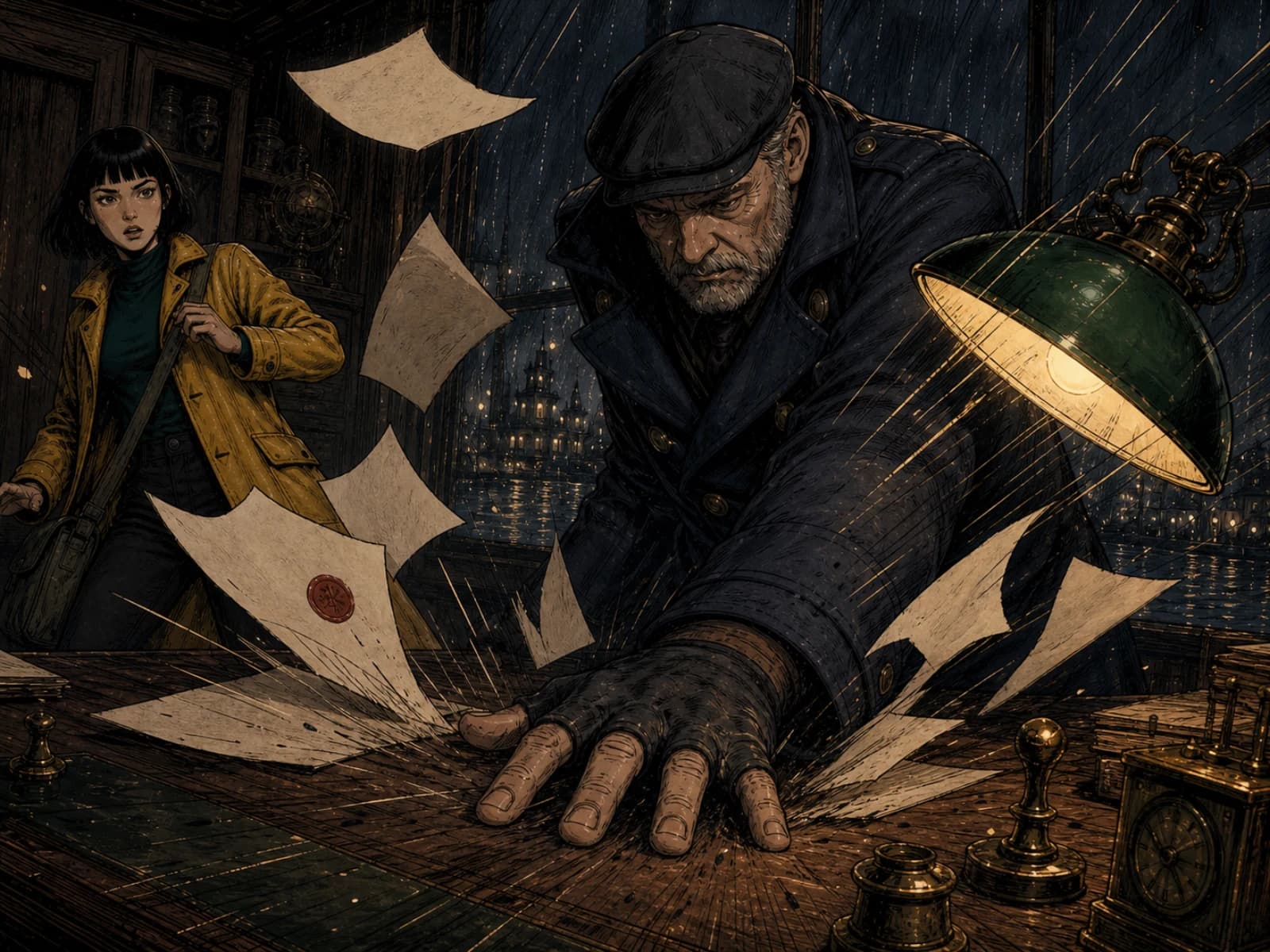
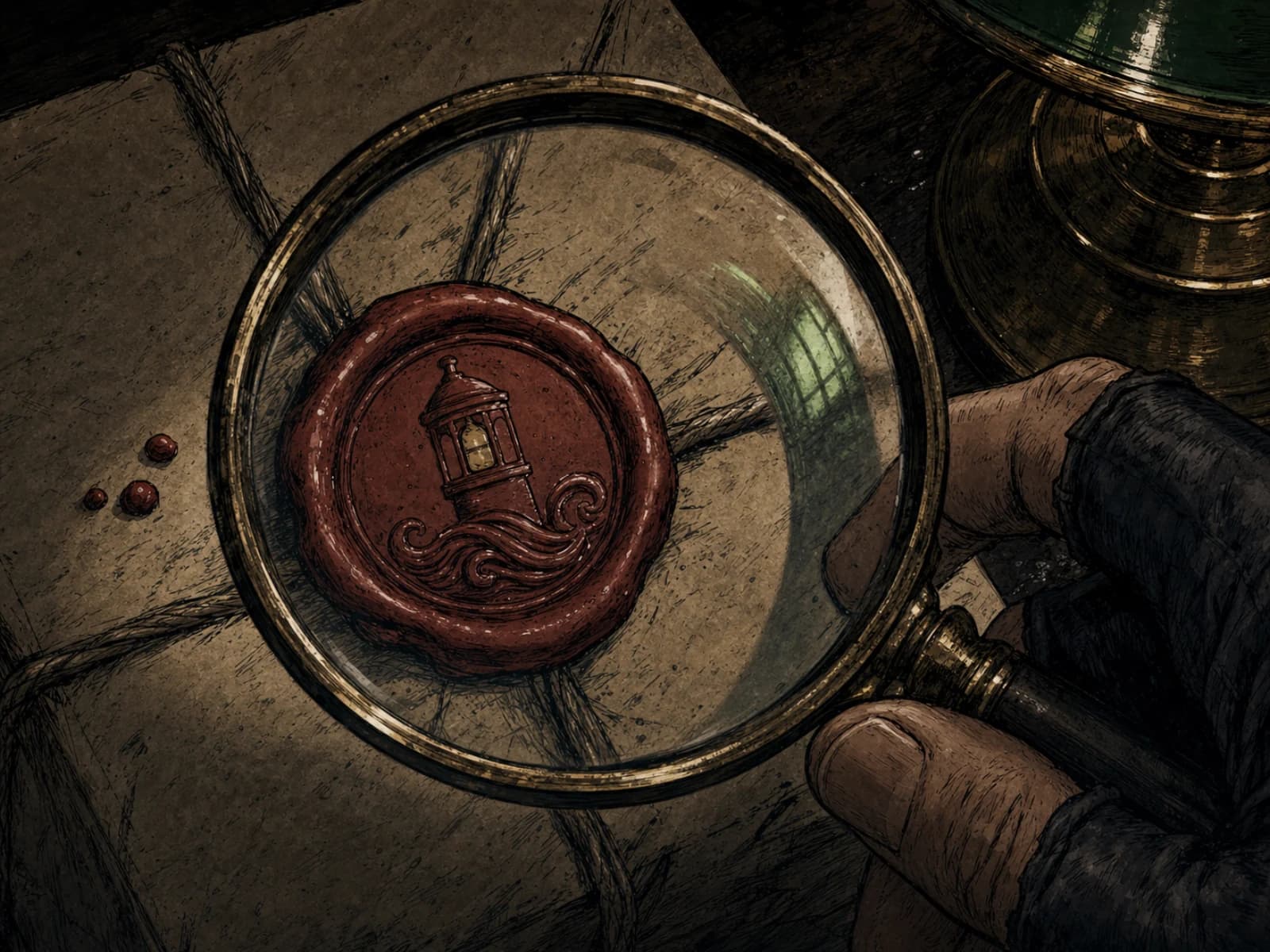
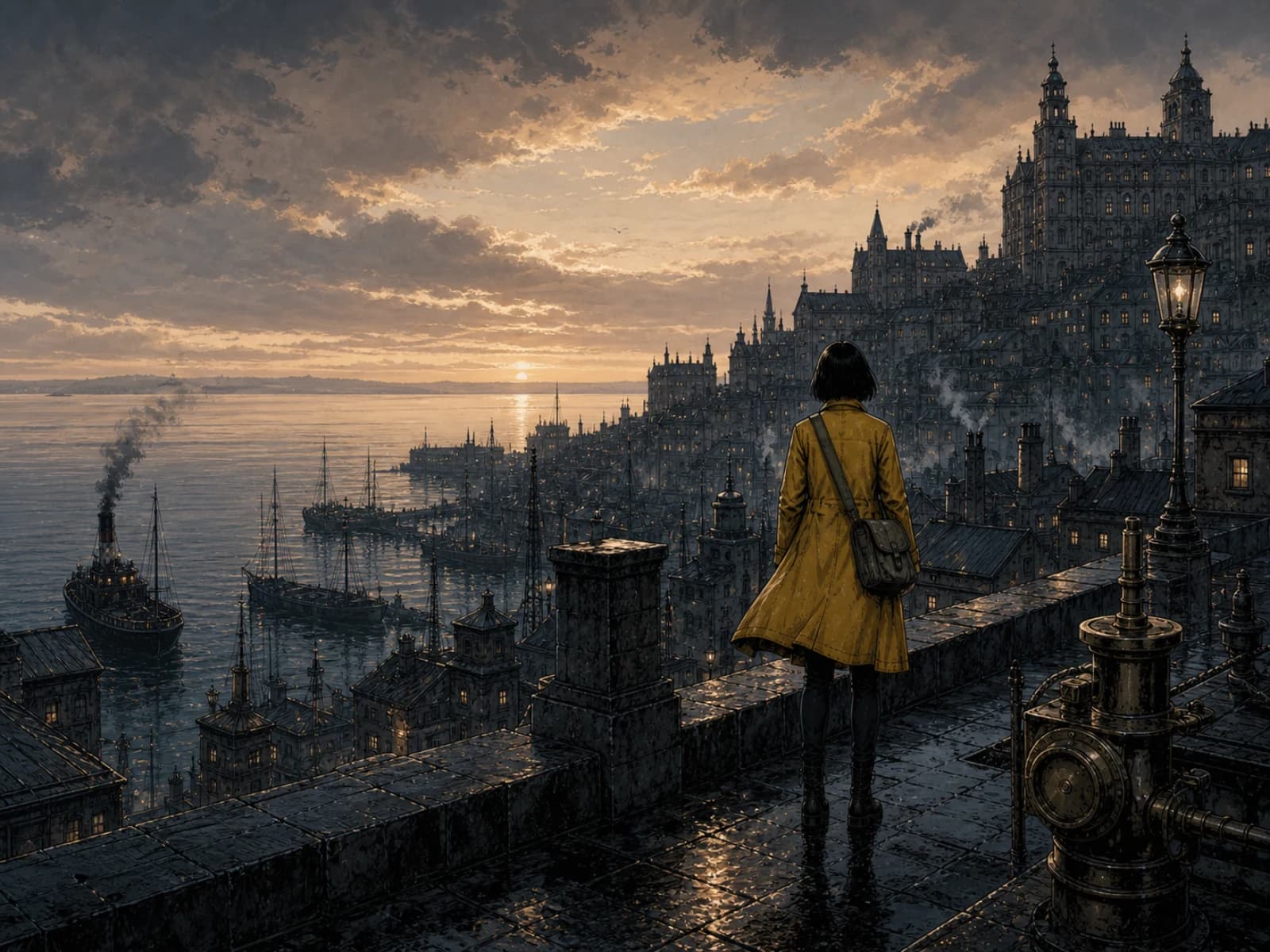
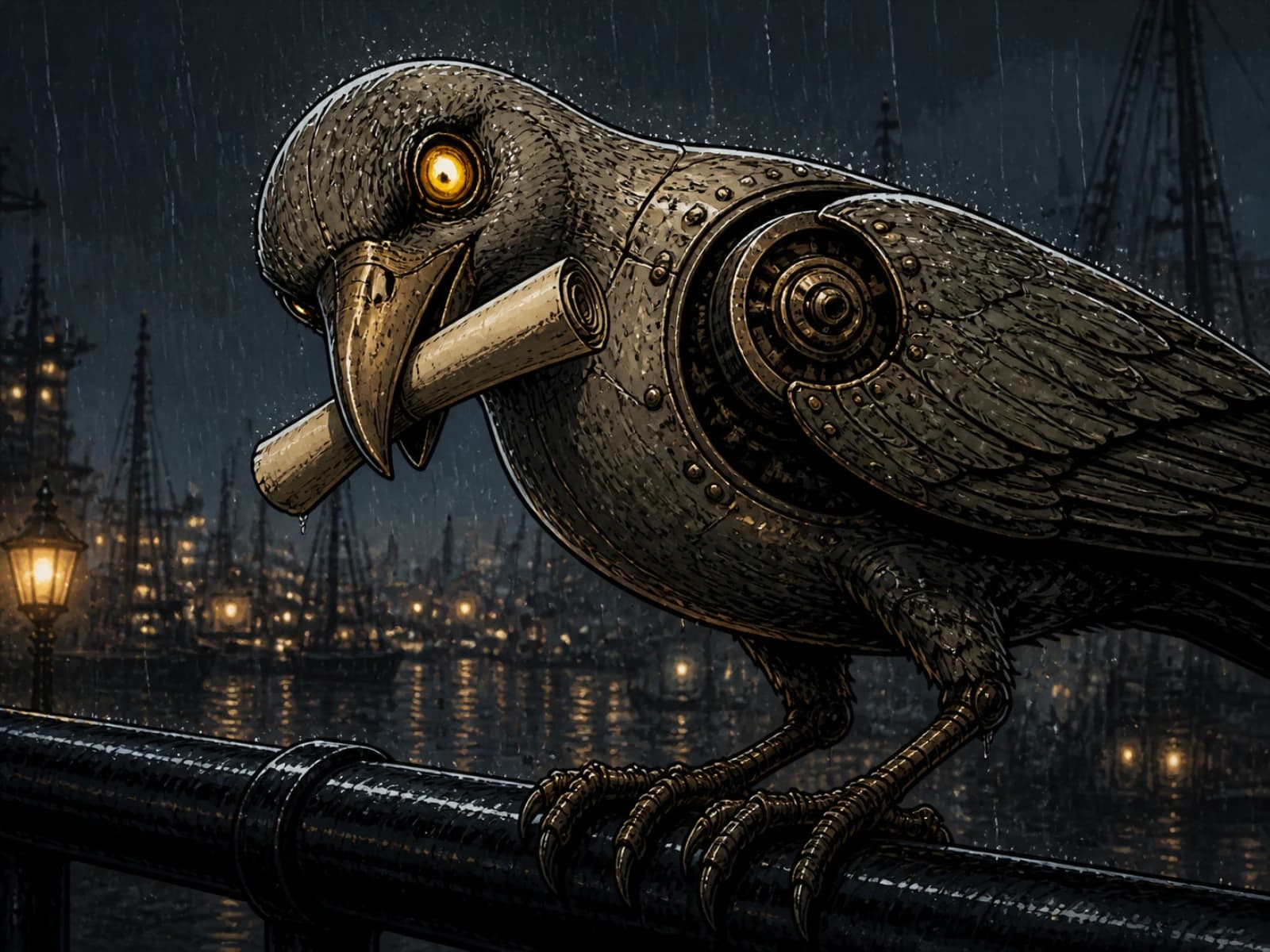
Click any example to see it full size.
Why this beats one big prompt
Questions
Up to about 20,000 words in one pass. Longer books are converted a chapter at a time, and each chapter becomes an episode that keeps the same cast and style.
That is the fidelity setting. Preserve closely keeps your wording and beat order, adapt freely lets the planner restructure for pacing, and summarise compresses long passages into fewer panels.
Yes, and you should. Scenes, page breaks, panel specs and every line of dialogue are editable, and you can regenerate one scene without touching the ones you already approved.
The planner extracts them and asks you to approve, create or merge each one. Approving builds the labeled character references used to reduce visual drift across pages.
Continuity warnings appear in the plan — for example a coat described as yellow in one scene and green in another — with the two passages side by side so you can decide which is right.
Paid story planning starts at 4 credits. Full and scene replans show a maximum hold based on story size before confirmation; unused credits return. Free story planning allows one page, four panels and 12,000 source characters within a daily quota. Standard drawing costs 15 credits per panel.
Related tools
Same category, the next step in the workflow, and something to read.